
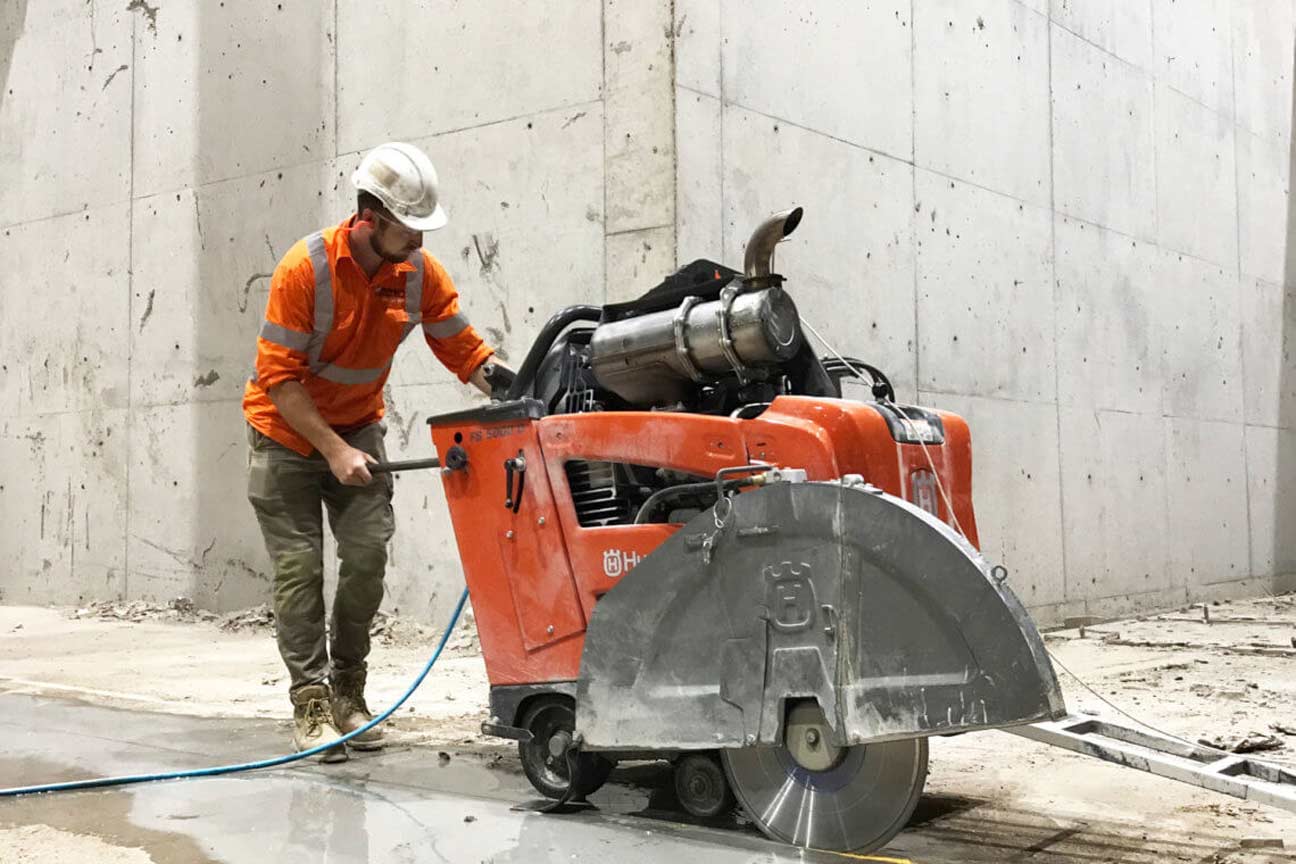
Construction concrete cutting has become an essential process in contemporary building and structure projects, supporting precision, efficiency, and structural flexibility. As cities expand and industrial designs grow more complicated, the demand for accurate modification of concrete structures continues to increase. This specialized technique allows contractors and engineers to reshape, repair, and enhance buildings without compromising structural integrity.
Concrete is widely recognized for its durability and strength, making it a primary material in construction worldwide. However, these same qualities also make it difficult to improve once it has solidified 混凝土切割. Construction concrete cutting gives a controlled solution for adjusting concrete surfaces, walls, slabs, and cosmetic foundations while maintaining safety and accuracy. Through advanced equipment and skilled operation, professionals can do clean cuts that meet strict engineering standards.
One of the most significant advantages of construction concrete cutting lies in its precision. Modern construction projects often require exact measurements to accommodate domestic plumbing systems, electrical installs, setting up channels, or structural reinforcements. Traditional demolition methods can create unnecessary damage, vibrations, and debris, whereas concrete cutting offers a refined approach that lowers trouble. Precision cutting ensures that surrounding structures remain stable and unaffected during the process.
Technological advancements have greatly transformed construction concrete cutting techniques. High-powered diamond cutting blades, cord saws, and specialized drilling equipment enable operators to cut through reinforced concrete with remarkable efficiency. These tools are made to handle lustrous materials, including concrete embedded with steel encouragement bars. The result is smoother edges, reduced great, and improved overall project quality.
Safety plays an important role in construction environments, and construction concrete cutting contributes significantly to safer work practices. Controlled cutting methods reduce excessive vibration, which can weaken nearby structures or create hazardous conditions for workers. Additionally, modern equipment often includes water cooling systems that limit dust production, improving air quality on job sites and protecting workers from harmful particles.
Another important factor of construction concrete cutting is its contribution to reconstruction and remodeling projects. Instead of demolishing entire structures, contractors can selectively remove parts of concrete to update templates or improve functionality. This method saves time, reduces waste, and keeps valuable building components. Cities especially benefit from such techniques, where space limitations make large-scale demolition unrealistic.
Environmental considerations have likewise influenced the growing adopting of construction concrete cutting. Sustainable construction practices emphasize reducing material waste and reducing environmental impact. Precise cutting allows contractors to remove only what is necessary, protecting reusable materials and lowering removal amounts. Reduced noise and vibration further support green responsible construction, particularly in densely inhabited areas.
The versatility of construction concrete cutting makes it suitable for a wide range of applications. It is popular in road construction, bridge maintenance, commercial building development, and residential restorations. Whether creating expansion joints in motorways or opening spaces for new doors and windows, cutting techniques allow engineers to adapt structures according to growing needs. This flexibility ensures that buildings can be modified over time without requiring complete reconstruction.
Professional expertise remains a vital part of successful concrete cutting operations. Skilled technicians must understand material properties, load distribution, and equipment handling to achieve accurate results. Careful planning is required before any cutting begins, including structural tests and safety evaluations. By combining technical knowledge with advanced tools, professionals ensure that projects meet both design and safety requirements.
Noise reduction is another benefit associated with modern construction concrete cutting methods. Compared to traditional demolition techniques, controlled cutting produces considerably less noise, making it ideal for projects in private hospitals, schools, and residential neighborhoods. Maintaining quieter work environments helps minimize trouble to surrounding communities while allowing construction activities to proceed efficiently.
Time efficiency is equally important in construction projects, where delays can increase costs and break up schedules. Construction concrete cutting allows for faster end of structural modifications because it eliminates unnecessary damage and clean-up work. Accurate cuts reduce the need for additional repairs, enabling teams to move quickly to another location phase of construction.
Innovation continues to shape the future of construction concrete cutting. Automation and digital rating systems are increasingly built-into cutting equipment, improving accuracy and consistency. Some advanced systems use well guided technology to follow precise cutting paths, reducing human error and enhancing productivity. As technology evolves, these tools are expected to become even more efficient and accessible across the industry.
The economic impact of construction concrete cutting should not be overlooked. By enabling targeted modifications rather than large-scale demolition, contractors can significantly reduce labor costs and material expenses. Efficient cutting methods also shorten project timelines, allowing businesses and property owners to resume operations faster. These financial advantages make concrete cutting an attractive solution for both large structure projects and smaller restorations.
In addition to structural applications, construction concrete cutting supports aesthetic improvements in modern buildings. Designers often incorporate exposed concrete elements and customized shapes into their projects. Precision cutting allows architects to achieve clean lines and unique designs that enhance overall look while maintaining structural reliability. This combination of functionality and creativity demonstrates the growing role of concrete in contemporary design.
Training and certification have become increasingly important as the industry grows. Properly trained operators understand equipment maintenance, risk to safety prevention, and effective cutting techniques. Continuous education ensures that professionals remain updated on safety standards and technological advancements. Well-trained teams not only deliver better results but also reduce risks associated with construction work.
As urbanization speeds up around the world, structure must adjust to changing demands. Construction concrete cutting gives a practical solution for upgrading aging structures, growing transportation systems, and modernizing buildings. Instead of replacing entire cosmetic foundations, engineers can modify existing structures to meet new requirements, protecting resources and maintaining continuity within communities.
Looking toward the future, sustainability and innovation will continue to influence construction practices. Construction concrete cutting aligns with one of these goals by promoting efficiency, reducing waste, and supporting adaptable design. With ongoing improvements in equipment and techniques, the process is likely to become even safer, faster, and more green responsible.
In conclusion, construction concrete cutting plays significant role in modern construction and reconstruction projects. Its precision, safety benefits, and flexibility make it an essential technique for engineers, contractors, and architects alike. By enabling controlled modifications and supporting sustainable practices, it contributes to the efficient development of structure worldwide. As technology advances and industry standards change, construction concrete cutting will remain a building block of modern building practices, by using the future of construction with accuracy and innovation.